Driving Inspiration: La Route Napoléon
A stunning road trip through the south of France, following in the footsteps of Napoleon.
- Driving inspiration
- France
- Driving the Route Napoléon
-
What is the Route Napoléon?The Route Napoléon is a 200-mile route that broadly follows the same path as that taken by Napoleon Bonaparte in March 1815, when he returned from exile in Elba and sought to reclaim power in France. Starting in the small resort of Golfe-Juan on the Côte d’Azur, the Route Napoléon winds through idyllic Provençal villages, rocky mountain passes and lush valleys, culminating in the magnificent Alpine city of Grenoble. If you want to see the best that this south-east corner of France has to offer, from glamorous Riviera beaches to spectacular natural wonders, drive La Route Napoléon!Read more about driving in France
-
The history of the Route NapoléonThe Route Napoléon is definitely the road less travelled – and for the exiled Emperor, it had to be. Napoleon needed to avoid the more established roads in the Rhône valley where he was more likely to be captured, so he led a force of around 1,000 men, horses and equipment up into the rough trails of the mountains. They reached Grenoble in just seven days – an astonishing pace considering the terrain – setting up camp in towns like Cannes, Digne-les-Bains, Gaps and Corps. By the end of the march Napoleon had France on his side. He took Paris easily. What became known as the ‘Hundred Days’ was to end in Napoleon’s decisive defeat at the Battle of Waterloo in June 1815, but it was still one of the most unexpected comebacks in history.
-
Driving the Route Napoléon – stage by stageThe whole Route Napoléon is only 324km (201 miles) long, and so could be driven in less than a day if you wanted to. But where would the fun be in that? To really enjoy this most beautiful of drives, and to get to experience how arduous a journey it would have been for Napoleon and his army, we recommend taking your time and splitting this road trip up into stages. We’ve opted for a 4-day itinerary with three overnight stops, but it could easily be a longer or shorter journey, depending on how much you want to see or do as you make your way along the Route Napoléon.
-
The best things to do on the Route Napoléon
- Visit the historic perfume houses of Grasse
- Drive the spectacular Gorges du Verdon road
- Walk the iconic Blanc Martel trail
- Hike to Chapelle Notre Dame du Roc for stunning views of Castellane
- Take a boat out onto Lake Sautet
Here is our Route Napoléon road trip guide
Day 1: Golfe-Juan to Castellane
Distance: 85km/52 miles
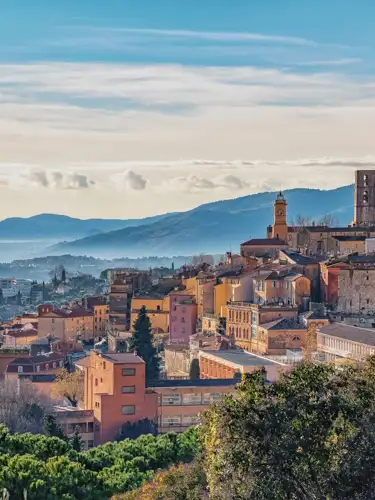
Your first day is one of sun-kissed beaches, heady scents and epic landscapes. The glamorous resort of Cannes is your first stop, which was little more than a fishing village when Napoleon spent the first night of his march here. In fact the Riviera coast 200 years ago would have been sparsely populated, being most vulnerable to attack or invasion. As you head from the coast into the hills, stop in Grasse, the world’s ‘perfume capital’, where brands like Chanel still source their scents from the town’s lavender, jasmine and tuberose plants.
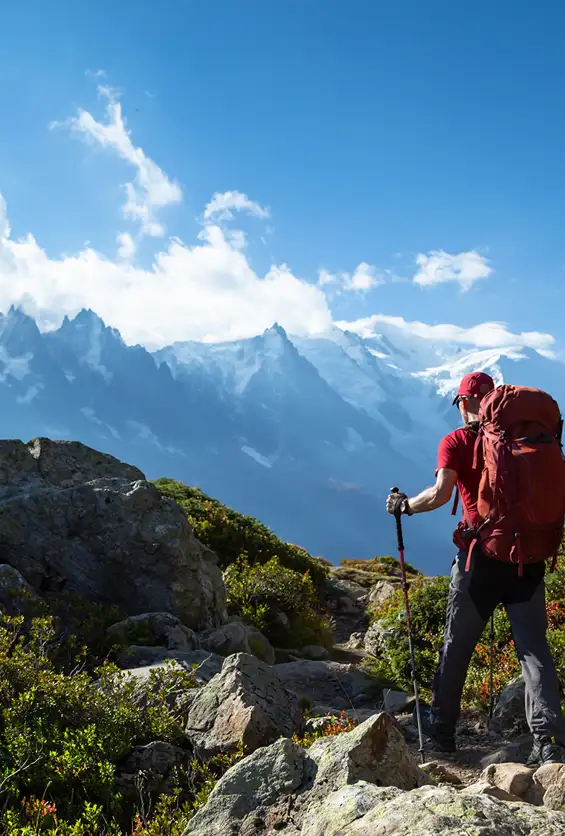
You’ll have to come off the Route proper to drive the epic road overlooking the Gorges du Verdun, one of the country’s great natural wonders. A steep ravine with cliffs as high as 1,500 metres plunging to turquoise waters deep below, it has been called France’s ‘Grand Canyon’. If you’ve got the time, and the stamina, then hike the Blanc-Martel trail, a 16km walk along the gorge. It will take 6-7 hours, but the views as you descend down narrow, steep but safe paths make it worthwhile.
Head back to the picturesque medieval town of Castellane for the night.

Day 2: Castellani to Sisteron
Distance: 81km/50 miles
Before leaving Castellane in the morning, don’t miss the opportunity to take the 30-minute walk up to the Chapel of Our Lady of the Rock, which has stood guard over the Verdun Valley since at least the 11th century. Then it’s back out onto the D4085, to wind your way up the mountain road towards Digne-les-Bains, the largest town of the Haute-Provence area, occupying a unique position in the Bléone Valley and home to historic thermal baths. Just outside Digne-les-Bains, Napoleon had an omelette cooked for him at a local inn and complained how much it cost. You have far more choice in what you can eat on the Route today!
Your next stop is Sisteron, often called the Gateway to Provence. It’s a stunning town on the banks of the river Durance, dominated by a volcanic-like mountain with a cliff-top citadel. When Napoleon entered Sisteron he was welcomed like a hero, and given a French flag that would stay with him all the way to the battlefield at Waterloo. It’s a charming place to stay the night, and you’ll enjoy dining at one of the town’s excellent restaurants.
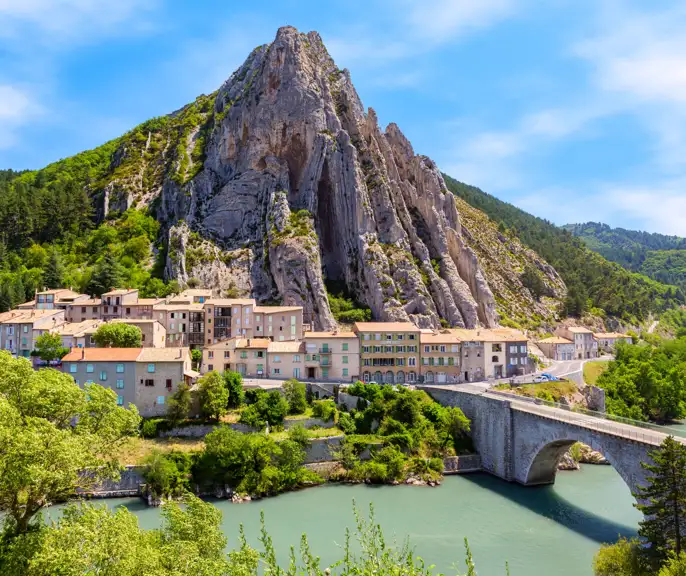
Day 3: Sisteron to Corps
Distance: 90km/56 miles
Today’s driving is on the faster A51 as you travel along wide fertile plains. The Alps are getting closer now! You’ll crest Col Bayard, a mountain pass with stunning views, and stop off at the nearby town of Gap, where Napoleon it is said received another triumphant welcome. It’s certainly a friendly place, and there’s a pleasant town centre where you can grab a lunchtime snack, overlooked by the neo-Gothic cathedral.
Your destination for the day is Corps, a small town on the shores of Lake Sautet, and very much in the Alpine foothills. While you’re there take a look at the impressive engineering feat of the Sautet Dam and try out the climbing walls. The Salettina distillery is also worth a visit, while the lake offers canoes and motor boats for hire. If you’re in Corps for another day, we would recommend the 7-mile hike up to the Marian Sanctuary of La Salette, a basilica built as a shrine to the reported apparition of the Virgin Mary that appeared to two children on this spot in 1846.

Day 4: Corps to Grenoble
Distance: 63km/39 miles
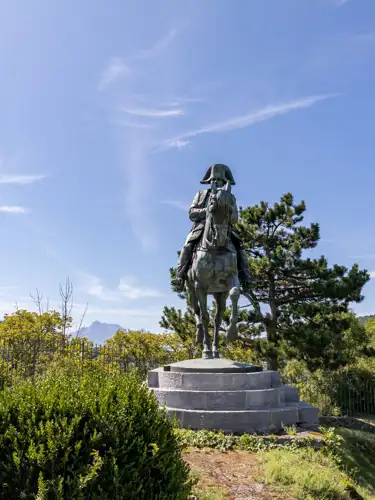
On the shores of Lake Laffrey, around 45 minutes drive from Corps, is the place where Napoleon faced the greatest test of the march. His small guard met the might of the Royalist army, there to stop his progress. Napoleon dared his opponents to shoot him, an order to do so was shouted, but the soldiers refused, rallying instead around their former Emperor. Today an equestrian statue of Napoleon marks this key moment, called ‘The Meadow of the Meeting’.
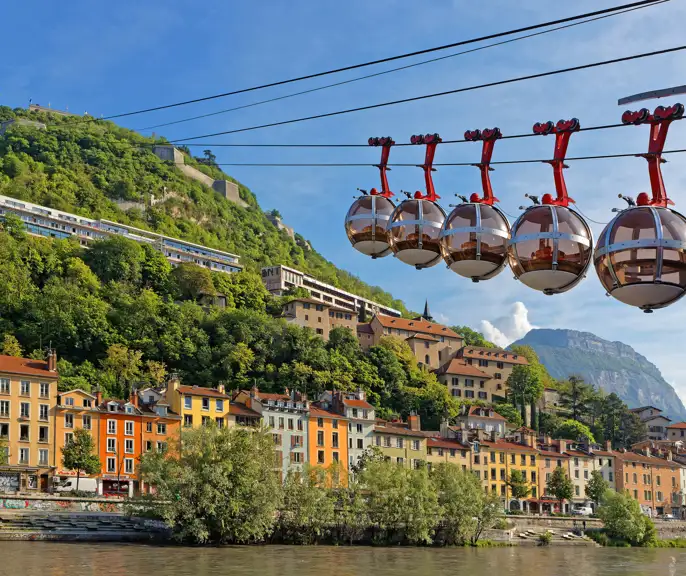
His passage to Grenoble was secured, and so is yours. This majestic city is truly the gateway to the Alps, and is a fantastic finale for your drive. One of the best things to do in Grenoble is to ride the ‘Téléphérique’ cable car to the Fort Bastille, for sensational views of the city, the river Isère and the Alps. Also of interest is the Saint-Laurent Archaeological Museum, the Museum of Grenoble and the Musée Dauphinois, showcasing the art, history and culture of the region.
It’s a vibrant city, and you’ll find a huge array of restaurants serving traditional local dishes like gratin dauphinois and tartiflette – the kind of wholesome comfort food to fuel any marching army!