
Pet Travel Requirements

Bring your pet a step by step guide: Don't get caught out at the border - make sure you know exactly what your pet will need to travel with LeShuttle.
What you’ll need:
1. Get your pet microchip
- Your dog, cat or ferret must be microchipped so they can be correctly identified when travelling. At check‑in, we’ll need to confirm that your pet’s microchip number matches the number shown on their official documentation.
- A tattoo is also acceptable as a form of identification, provided it was applied before 3 July 2011, regardless of the country it was done in.
- You must get your pet microchipped before, or at the same time as, their rabies vaccination. If you do not, they’ll need to be vaccinated again.
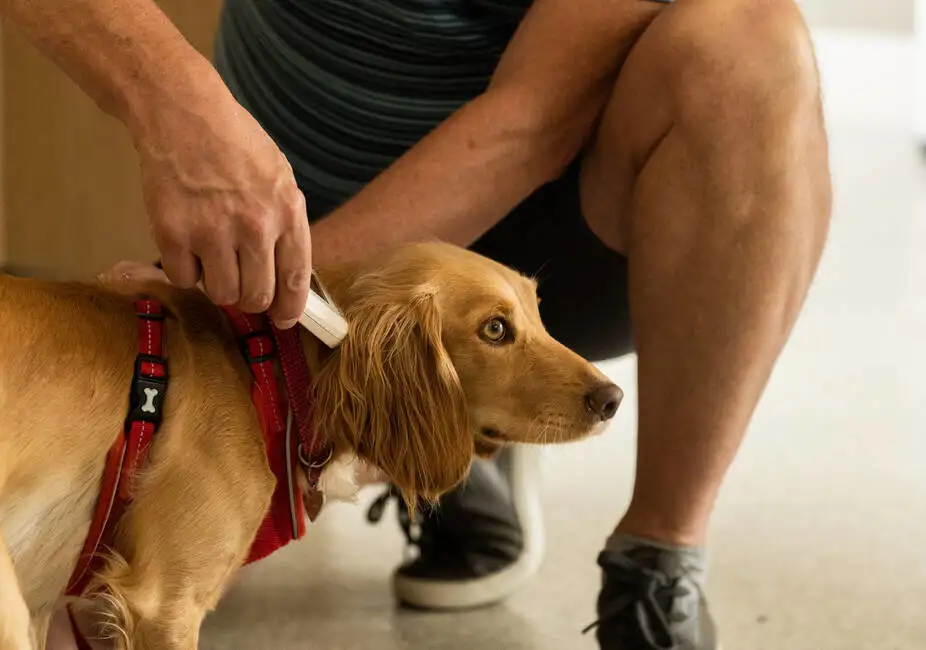
2. Get your pet vaccinated against rabies
- Make sure your pet is vaccinated against rabies before travelling. Your vet must confirm your pet is at least 12 weeks old before giving the vaccine, and your pet needs to be microchipped before or at the same time as their vaccination
- You’ll need to wait before travelling. Pets can only travel once the rabies vaccine becomes valid, which is at least 21 full days after the first vaccination (or the final dose of a primary course). Day 1 is the day after the vaccination is given. Some vaccines may require a longer waiting period, so always check with your vet.
- Your pet’s rabies vaccination must be fully and correctly recorded. The vaccine name and manufacturer, along with the vaccination date, valid‑from date, and expiry date, must be entered in the Rabies Section of the EU Pet Passport or Animal Health Certificate (AHC) by a registered vet.
3. Get your documents ready
LeShuttle operates in line with current UK and EU pet travel regulations. To help you plan your journey, we’ve outlined the key requirements below. To minimise the risk of disruption to your journey, we recommend checking the latest government guidance before travel and consider obtaining an Animal Health Certificate (AHC) if you are unsure.
Travelling to France:
- You need an animal health certificate for your dog, cat or ferret if you’re travelling from Great Britain to an EU country by an official veterinarian. You can add up to 5 pets to an animal health certificate. EU pet passports are no longer valid for non-EU residents travelling from England, Scotland or Wales to the EU, even if they were originally issued in the EU.
- The certificate is valid for travel any time within 10 days after it’s issued by your vet, so you’ll need to travel during this time. Day one is the date the animal health certificate is issued.
- If your pet needs a rabies vaccination, you need to wait for it to work before getting your animal health certificate.
Travelling to the UK:
If you’re travelling from an EU country, your pet must have one of the following:
- A valid EU pet passport (or one issued in an approved country).
- An Animal Health Certificate issued in Great Britain within the last 6 months.
- A Great Britain pet health certificate.
- A pet passport issued in Great Britain before 1 January 2021.
Veterinary certificates (other pets)
For rabbits, rodents, reptiles and other small pets:
- You’ll need a veterinary health certificate when travelling from a non-EU country to the EU.
- This must be completed by a vet within 10 days of travel.
- The certificate is valid for travel to and from the UK and France.
Your documents will be checked by border control, so there’s no need to visit Pet Reception or add these animals to your booking.
4. Get a tapeworm treatment (Dogs Only travelling to the UK)
Before you travel to the UK, your dog must receive a tapeworm treatment. The treatment must be given by a vet between 24 and 120 hours (1–5 days) before your scheduled arrival in the UK. Your vet must record the date and time of the treatment in your pet’s documentation.
- The treatment must contain praziquantel to be effective.
- Some common treatments (such as Stronghold, Advocate, Frontline, Frontline Combo, NexGard, or NexGard Spectra) are not accepted for this requirement.
Short trips of 5 days or less. If you’re leaving Great Britain and returning within 24 hours, you must get your dog treated by a vet before you go. If you’re returning within 5 days, you can also get your dog treated before you go.
You must:
- Wait 24 hours after the treatment before you re-enter Great Britain.
- Return within 5 days (120 hours) of the treatment.
If you’re not sure when to give the treatment, ask your vet before you travel. If your dog does not meet these requirements, they will not be able to travel.
5. You’re ready
That’s it, you and your pet are ready to travel. However, as requirements can change, we recommend checking official government websites for the latest information before you set off.
Explore traveller guides


